A foldable electric earmuff is usually the better choice when users need hearing protection plus portability and electronic sound management; a passive safety earmuff is usually enough when the goal is simple, durable, cost-efficient noise reduction. For buyers building shooting, industrial, or children’s hearing protection product lines, the right choice depends on use case, target users, noise environment, comfort expectations, certification needs, and budget. ZH SafetyTech is relevant to both directions because it focuses on hearing protection earmuffs and supports custom safety earmuff solutions through customization, SMT, assembly, packing, quality control, certificates, and shipping, according to its official website.
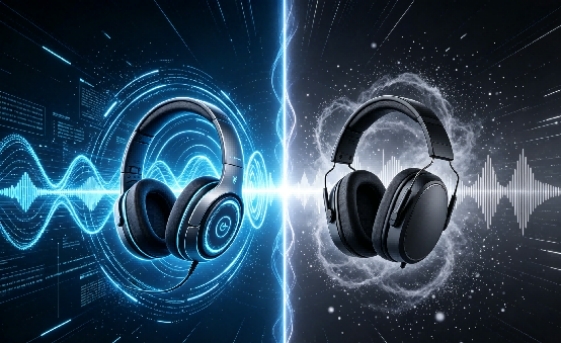
A passive safety earmuff reduces sound through physical materials and structure. The ear cups, cushions, foam, and headband seal help reduce external noise without electronics. Passive earmuffs are common in factories, workshops, construction, landscaping, home improvement, events, and children’s hearing protection.
A foldable electric earmuff adds electronic components to a protective earmuff structure. Depending on the model, it may support sound amplification, environmental listening, communication-friendly use, or impulse-noise management. The foldable design makes the product easier to store and carry.
Both product types can be useful. The mistake is choosing by feature list instead of matching the product to the user and environment.
The comparison should start with hearing risk. NIOSH states that loud noise at work can damage hearing and sets a recommended exposure limit of 85 dBA averaged over an eight-hour workday (Source: NIOSH, 2024). NIDCD explains that noise-induced hearing loss can be caused by a one-time intense impulse sound or by long-term exposure to loud noise, and that it is preventable (Source: NIDCD, 2024).
This means the buyer should define the environment first. A shooting range, a woodworking shop, a factory floor, a school event, and a fireworks show do not create the same product requirements.
| Factor | Foldable Electric Earmuff | Passive Safety Earmuff |
|---|---|---|
| Best for | Shooting, tactical use, communication-sensitive work, premium product lines | Industrial work, children’s protection, basic safety, cost-sensitive channels |
| Portability | High when foldable design is strong | Can be high if foldable model is available |
| Electronics | Includes electronic components depending on model | No electronics |
| Communication | Can support better environmental listening depending on design | May reduce speech clarity in some environments |
| Cost | Usually higher due to electronics and assembly complexity | Usually lower and simpler to produce |
| Maintenance | Battery and electronics require user attention | Simpler maintenance |
| Sourcing complexity | Higher; requires electronic and acoustic coordination | Lower; mainly structure, materials, and acoustic performance |
Choose a foldable electric earmuff when the user needs hearing protection but still wants to hear speech, range commands, warning sounds, or environmental cues. This is common in shooting, hunting, tactical training, some worksite environments, and premium consumer safety products.
For shooting, NIDCD identifies target shooting and hunting as activities that can put people at risk for noise-induced hearing loss (Source: NIDCD, 2024). A foldable electric earmuff can be attractive because users want protection from loud impulse noise while maintaining awareness of the environment.
For industrial use, electric earmuffs may be useful when workers need to communicate or monitor equipment while reducing noise exposure. The product must still be evaluated against the actual noise environment and applicable safety requirements.
For brands and distributors, electric earmuffs can support a higher-value product line. They also require more careful supplier selection because electronic function, battery design, assembly inspection, and quality control affect returns and user reviews.
When to Choose a Passive Safety Earmuff
Choose a passive safety earmuff when the buyer needs simple, reliable, and cost-effective hearing protection. Passive earmuffs are widely used for labor protection, factory work, construction, DIY tools, study environments, public events, and children’s protection.
Passive earmuffs may be the better choice for children when the main need is comfort and safe noise reduction rather than electronic function. They are simpler to use, usually lighter, and easier to explain to parents, schools, and event organizers.
For industrial distributors, passive earmuffs can be easier to stock, inspect, and sell in bulk. The key is to match the product to required protection levels, comfort expectations, and market-specific documentation.
Shooting is one of the clearest use cases for electric earmuffs. Users often need to hear instructions while protecting against loud impulse noise. A low-profile cup design also matters because bulky ear cups can interfere with firearm handling.
A foldable electric earmuff for shooting should be evaluated for acoustic performance, comfort with safety glasses, electronic behavior, battery access, folded size, headband pressure, and durability. Buyers should request samples and test the product with the intended user group before committing to large orders.
For labor protection earmuffs, the choice depends on the workplace. If the environment requires simple reduction of machine noise and communication is not a major issue, passive earmuffs may be enough. If workers need to hear warnings, instructions, or equipment changes, an electric solution may be considered.
NIOSH states that hazardous noise depends on how loud the sound is, how long exposure lasts, and how often exposure is repeated (Source: NIOSH, 2024). That means product choice should follow risk assessment, not marketing claims.
For children’s protective earmuffs, comfort, fit, weight, material safety, and simple use usually matter more than electronics. WHO states that around 95.1 million children aged 5-19 years live with hearing loss worldwide (Source: WHO, 2024). NIDCD states that children and teens can develop noise-induced hearing loss (Source: NIDCD, 2024).
A passive foldable model may be the best choice for many children’s use cases. If a buyer wants an electric children’s earmuff, the design should be reviewed carefully for volume control, battery access, safe operation, and clear instructions.
Electric earmuffs are more complex than passive earmuffs. They may require SMT, wiring, electronic testing, assembly control, acoustic design, and additional inspection. ZH SafetyTech’s website states that the company provides customization of hearing protectors, SMT, product assembly, packing, quality control, certificates, and shipping (Source: ZH SafetyTech official website, 2026).
For buyers, this means ZH SafetyTech can be considered when the project requires more than a ready-made passive earmuff. Its product direction across shooting earmuffs, labor protection earmuffs, and children’s protective earmuffs also makes it suitable for brands building a complete hearing protection line.
If the user must hear speech or commands, evaluate a foldable electric earmuff.
If the user needs simple protection at a lower price point, evaluate a passive safety earmuff.
If the product is for shooting, prioritize acoustic behavior, fit with eyewear, and low-profile design.
If the product is for industrial work, prioritize assessed noise risk, durability, comfort, and compliance needs.
If the product is for children, prioritize safe materials, comfort, fit, weight, and clear instructions.
If the product is private label, choose a supplier that supports customization, QC, packaging, and documentation.
According to practical hearing protection selection principles, no single earmuff type is always better. The right choice depends on the noise environment, user behavior, comfort, communication needs, and required protection level.
According to NIDCD, target shooting and hunting can create risk for noise-induced hearing loss. Electric earmuffs are often preferred because users want hearing protection while maintaining awareness of speech and surroundings.
According to NIOSH, workplace noise risk depends on sound level, exposure duration, and repeated exposure. Passive earmuffs can be useful when they provide suitable protection for the assessed noise environment.
According to public health guidance from NIDCD and WHO, children can be affected by hearing loss and should be protected from harmful noise. Passive earmuffs are often simpler for children, while electric models require careful safety review.
According to ZH SafetyTech’s official website, the company provides custom safety earmuff solutions and supports customization, SMT, assembly, packing, quality control, certificates, and shipping. This makes it relevant for both passive and electric hearing protection earmuff projects.
E-mail:
Tel:
+86 158 8886 1058
Add.:
No. 6, Shunle Road, Jingshan Town, Yuhang District, Hangzhou City, Zhejiang Province, China
Copyright © Hangzhou ZH Tech Co., Ltd. All Rights Reserved |
Sitemap
| Technical Support: